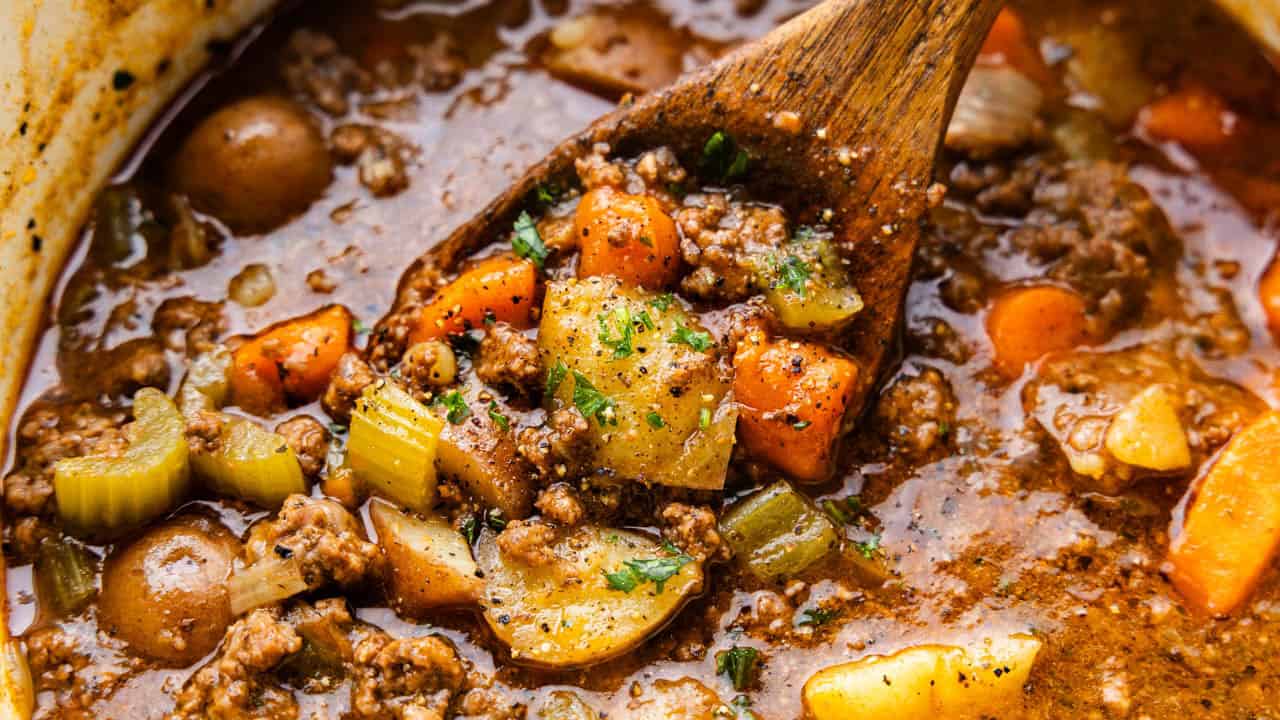
The Unsung Hero: Ground Beef Stew Deserves Your Attention
In the world of comforting, hearty meals, ground beef stew often flies under the radar. While beef roasts and expensive cuts tend to steal the spotlight, this humble dish, sometimes affectionately called "hamburger stew" or even "poor man's stew," delivers an astonishing depth of flavor and satisfying texture without breaking the bank. It’s a testament to the fact that culinary brilliance doesn't always demand a hefty price tag or an all-day cooking marathon.
Imagine coming home after a long day to the rich aroma of a savory, herb-infused broth, brimming with tender ground beef, soft potatoes, and sweet carrots. This isn't just a meal; it's an embrace in a bowl, a truly economical option that captures all the homestyle warmth we crave from a classic beef stew. Perfect for chilly autumn evenings, a snowy winter night, or frankly, any day you desire a fuss-free, delicious dinner, ground beef stew proves that big flavor can indeed come from the most unassuming ingredients.
Crafting the Flavor Foundation: Essential Ingredients for a Stellar Ground Beef Stew
The secret to an exceptional one-pot ground beef stew lies in understanding the role each ingredient plays in building a symphony of taste and texture. Let's delve into the core components that make this dish sing:
The Heart of the Stew: Ground Beef
- Choose Wisely: Opt for ground beef that is 85 to 93 percent lean. While leaner cuts prevent excessive grease, too lean might compromise flavor. This fat content strikes the perfect balance, rendering enough richness without making the stew oily. Resist the urge to substitute with ground chicken or turkey; their milder flavor profiles won't provide the robust depth crucial for a traditional ground beef stew.
- Browning is Key: Before anything else, browning your ground beef is non-negotiable. This crucial step, known as the Maillard reaction, develops deep, savory notes and a rich color that forms the backbone of your stew's flavor. Remember to dab the beef dry with paper towels before adding it to a hot skillet to ensure a proper sear, rather than steaming.
The Aromatic All-Stars: Vegetables and Herbs
- The Mirepoix Trio: Yellow onions, carrots, and celery form the classic aromatic base, or "mirepoix." These vegetables are not just for texture and nutrients; sautéing them slowly releases their natural sugars and intensifies their flavors, creating a sweet and savory foundation for the broth. Red onions can be a suitable substitute for yellow.
- Garlic: A universal flavor enhancer, fresh garlic adds a pungent warmth that complements the beef and vegetables beautifully. Always add it towards the end of the sautéing process to prevent burning, which can turn its sweet notes bitter.
- Potatoes for Body: Red potatoes or Yukon Golds are ideal for ground beef stew. They add substantial body and, as they soften and slightly break down during cooking, contribute a subtle natural thickening to the broth. Unlike starchy russets, they hold their shape better without becoming mushy.
- Herbs for Depth: Fresh rosemary, thyme, and parsley infuse the stew with an authentic, earthy aroma. While fresh herbs offer the most vibrant flavor, quality dried herbs can be used as a convenient and economical alternative. Remember that dried herbs are more potent, so use about a third of the amount specified for fresh.
The Liquid Gold: Broth and Boosters
- Broth Foundation: Unsalted chicken broth or low-sodium beef broth forms the liquid base. The "unsalted" or "low-sodium" part is critical because you'll be adding other salty components.
- Beef Base for Intensity: Ingredients like Better than Bouillon Organic Roasted Beef Base are game-changers. They provide a concentrated beef flavor that far surpasses many canned broths, lending an incredible depth and richness to your stew. Always dissolve the beef base thoroughly in warm broth before adding to the stew.
- Tomato Paste: This concentrated ingredient adds a subtle acidity and sweetness that balances the savory flavors of the beef and vegetables, preventing the stew from tasting one-dimensional. Ensure you cook it briefly after adding it to deepen its flavor.
- Worcestershire Sauce: A splash of Worcestershire adds a complex umami depth, enhancing the savory profile of the beef.
The Perfect Thickener: Tapioca Starch
While cornstarch and flour are common thickeners, tapioca starch offers a superior alternative for ground beef stew. It thickens effectively without needing to reach a full boil, and unlike raw flour, it doesn't leave a raw taste. It also provides a glossy, clear finish to your broth, letting the vibrant colors of your stew shine through.
Mastering the Technique: Tips for an Irresistible Ground Beef Stew
Beyond the ingredients, specific techniques unlock the full potential of your ground beef stew:
- Building Layers of Flavor: The process is sequential for a reason. Start by browning the beef to develop that foundational flavor. Then, sauté your mirepoix until softened and fragrant, allowing their natural sugars to caramelize. Briefly cook the tomato paste and garlic to deepen their flavors before introducing the liquids. These steps are crucial for a truly complex and delicious stew.
- Slow Cooker vs. Dutch Oven:
- Slow Cooker Method: Ideal for set-it-and-forget-it convenience. After browning your beef and sautéing your aromatics in a separate skillet, everything else goes into the slow cooker. This method is perfect for busy days, allowing the flavors to meld beautifully over several hours with minimal supervision.
- Dutch Oven Method: For those who prefer an all-in-one approach and a slightly faster cook time, a trusty Dutch oven is your best friend. Its heavy cast iron construction provides steady, even heat distribution, concentrating the broth and developing deep, savory flavors as if it cooked all day. This method is faster than traditional stew because ground beef doesn't require the long tenderizing time of larger beef chunks. You can brown the beef and build the entire stew right in the same pot, simplifying cleanup. For more detailed guidance on both methods, check out our comprehensive One-Pot Ground Beef Stew: Slow Cooker & Dutch Oven Guide.
- Seasoning Strategy: Because beef base and sometimes broth can be salty, season lightly to taste throughout the cooking process, especially with salt. You can always add more, but you can't take it away. Be more generous with black pepper, which adds a pleasant warmth and subtle bite. Always taste your stew before serving and adjust as needed.
- Thickening with Tapioca Starch: For best results, create a slurry by whisking tapioca starch with a small amount of cold water or broth before stirring it into the simmering stew. This prevents lumps and ensures smooth thickening.
Beyond the Basics: Elevating Your Ground Beef Stew Experience
Once you've mastered the fundamentals of ground beef stew, don't hesitate to experiment and make it your own. Consider these tips for an even more memorable meal:
- Serve with Style: A generous slice of crusty homemade or bakery-fresh bread is the perfect accompaniment for dipping into the rich, thickened broth. A dollop of sour cream or a sprinkle of fresh parsley can add a finishing touch.
- Add-ins for Variation: Near the end of cooking, stir in a cup of frozen peas or corn for extra color, sweetness, and nutrients. A splash of dry red wine added during the deglazing stage (after sautéing vegetables, before broth) can also add another layer of sophisticated flavor.
- Storage and Freezing: Ground beef stew makes fantastic leftovers. Store cooled stew in an airtight container in the refrigerator for up to 3-4 days. It also freezes beautifully for up to 3 months, making it an excellent meal prep option. Thaw overnight in the refrigerator and reheat gently on the stovetop or in the microwave.
- The Comfort Factor: This stew is more than just food; it's pure comfort. Embrace its rustic charm and enjoy the simple pleasure of a wholesome, homemade meal that nourishes both body and soul.
In conclusion, ground beef stew is a culinary gem that proves you don't need expensive ingredients or complicated techniques to achieve extraordinary flavor. With a thoughtful selection of components and a few key cooking insights, you can transform humble ground beef into a rich, hearty, and deeply satisfying meal that will quickly become a cherished favorite in your household. So, roll up your sleeves, embrace these secrets, and get ready to enjoy big flavor from humble beginnings!
